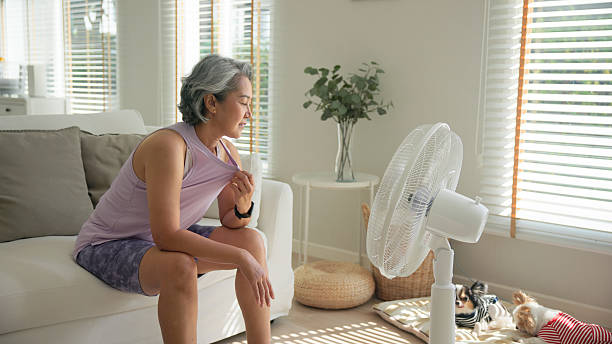
Minnesota’s hotter, longer summers bring a growing threat of heat-related illness. When temperatures soar well above seasonal norms, the body must dissipate extra heat; if it cannot, two distinct emergencies can follow. Heat exhaustion often develops first: watch for heavy sweating, cool or clammy skin, weakness, dizziness, nausea or vomiting, muscle cramps, headache, and a rapid, thready pulse. If cooling fails, heat stroke can occur and demands 911 activation. Hallmarks include a core temperature ≥ 103 °F, hot (sometimes moist) skin, confusion or slurred speech, seizures, a rapid strong pulse, and possible loss of consciousness; sweating may stop altogether.
Older adults are disproportionately vulnerable because aging blunts thirst perception, slows sweating, and many take medications—diuretics, beta-blockers, some antipsychotics—that impair temperature regulation or fluid balance. In assisted-living and nursing-home settings, prevention hinges on vigilant teamwork:
-
Environmental safeguards: Verify that resident rooms stay below 80 °F, close curtains on sun-facing windows, and establish a cooled common area for midday respite. Portable AC units or evaporative coolers should be staged well before heat waves begin, and emergency generators must support critical cooling equipment during outages.
-
Hydration rounds: Schedule fluid offers every one to two hours (water or electrolyte drinks), document refusals, and provide hydrating snacks such as fruit with high water content.
-
Medication and risk review: Licensed nurses should flag prescriptions that raise heat risk, assess recent changes in diuretics or antihypertensives, and coordinate with prescribers for dose timing or temporary adjustments.
-
Focused assessments: During extreme-heat advisories, include skin temperature and moisture, orthostatic vitals, mental-status checks, and intake/output trends in each shift assessment. Residents with heart failure, diabetes, COPD, or cognitive impairment deserve extra monitoring.
-
Rapid response protocols: Train all staff to recognize early signs of heat exhaustion, initiate cooling (move to shade or AC, loosen clothing, apply cool compresses, offer sips of fluid if alert), and escalate to nursing for evaluation. For suspected heat stroke, empower staff to call EMS immediately while beginning active cooling with ice packs to neck, axillae, and groin.
-
Family and resident education: Post easy-to-read heat-safety flyers, remind families to dress residents in lightweight fabrics, and encourage loved ones to visit during cooler hours.
By coupling these facility-level controls with individual vigilance—drinking water before thirst strikes, limiting outdoor activity, and tracking National Weather Service HeatRisk alerts—we can shield Minnesota’s most vulnerable residents and keep summer a season of safe enjoyment rather than medical crisis.